
Restaurant Equipment Maintenance: Tips for Small Kitchens
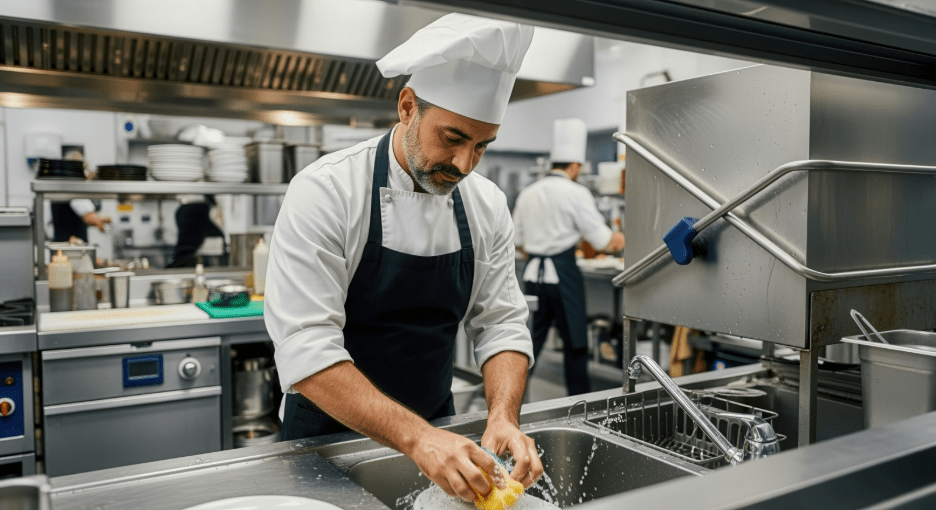
Running a small kitchen often means making the most of every inch of space and every piece of equipment. Each refrigerator, stove, and mixer plays a crucial role in keeping operations smooth and efficient. However, even the best tools can slow things down or fail if not properly cared for. That’s why regular maintenance should be a core part of your daily routine.
Let’s look at some practical tips to extend the lifespan of your kitchen equipment.
Schedule Routine Cleaning
One of the simplest yet most effective ways to keep restaurant equipment in good shape is through consistent cleaning. Daily wiping of surfaces and weekly deep cleaning can prevent grease buildup and bacterial growth. When food particles accumulate inside ovens, fryers, or grills, they can affect the flavor of dishes and create potential fire hazards. Cleaning filters, grates, and trays helps maintain proper airflow and prevents units from overworking.
Cleaning also keeps staff more organized. A tidy work environment encourages better habits and reduces downtime caused by malfunctioning or dirty appliances. It’s helpful to create a cleaning checklist so no step is skipped. Assigning responsibilities to staff ensures accountability and consistency.
Now
Inspect Equipment Regularly
Frequent inspections help identify issues before they escalate into major problems. Small kitchens often run on tight budgets, so preventing breakdowns is key. Regular checks can reveal loose parts, worn-out seals, or strange noises that signal something needs attention. For instance, a refrigerator door that doesn’t close properly can cause temperature fluctuations, leading to food spoilage.
Setting a maintenance schedule, weekly for light inspections and monthly for detailed ones, can keep everything running smoothly. Use a logbook to track inspection results and note any repairs made.
Now, if you notice recurring issues, contact a Raleigh restaurant equipment repair service or a trusted professional in your local area to fix the problem before it worsens. Recording of service visits and early detection of wear saves time and money in the long run.
Prioritize Proper Ventilation
Good ventilation plays a major role in maintaining kitchen efficiency. Exhaust hoods, filters, and fans work continuously to remove heat, smoke, and grease from the air. When these components clog, they reduce air quality and strain other systems. Poor ventilation can also make the workspace uncomfortable and affect employee performance.
Filters should be cleaned or replaced as recommended by the manufacturer. Regular maintenance of exhaust systems helps prevent grease buildup, which can pose fire risks. Keeping vents clear ensures that stoves and fryers operate efficiently and that the kitchen maintains a safe working environment. Investing time in ventilation upkeep supports both equipment performance and overall kitchen hygiene.
Follow Manufacturer Guidelines
Every piece of restaurant equipment comes with specific care instructions. Following these guidelines ensures the machinery operates as intended. Skipping recommended maintenance steps might save time temporarily, but can void warranties or lead to breakdowns. Manufacturers often provide detailed directions for cleaning, calibrating, and inspecting components.
It’s important to keep user manuals accessible and train staff to follow them. Marking reminders for filter changes or calibration schedules prevents oversight. Equipment maintained according to official standards tends to perform consistently and requires fewer repairs. A small kitchen benefits greatly from minimizing disruptions caused by neglected maintenance tasks.
Train Staff on Proper Use
Proper handling is just as important. Even the best-maintained commercial kitchen units can wear out quickly if mishandled. Overloading mixers or using the wrong utensils on nonstick surfaces can shorten their lifespan and compromise safety. Training kitchen staff to operate each appliance correctly helps prevent unnecessary damage.
Regular refresher sessions help maintain these standards. Employees should also be encouraged to report any irregularities immediately, such as odd noises, leaks, or temperature issues. Prompt reporting helps catch small problems before they become bigger. Creating a culture of shared responsibility ensures that everyone contributes to keeping the kitchen running efficiently.
Keep Spare Parts and Tools Handy
Delays in kitchen operations often happen when a small part fails and no replacement is available. Keeping essential spare parts, like seals, knobs, or light bulbs, on hand can prevent unnecessary downtime. A basic toolkit for quick fixes, such as tightening screws or replacing filters, also helps maintain productivity.
Label and store spare parts properly to avoid confusion. Maintaining an organized storage system makes it easier to find what’s needed quickly. Knowing which items are frequently replaced allows for better inventory planning. Having the right tools and parts ready can make a big difference during busy service hours.
Monitor Temperature and Calibration
Temperature control is vital for food safety and appliances performance. Regularly checking the calibration of ovens, refrigerators, and thermometers ensures accurate readings. Even a few degrees off can impact food texture, taste, and safety. Inaccurate temperature settings can also make appliances work harder, consuming more energy.
Recording temperature data daily helps spot inconsistencies early. If a cooler starts fluctuating, it may indicate a faulty gasket or thermostat. Addressing these minor issues right away prevents food waste and expensive repairs. Maintaining precise calibration supports both kitchen efficiency and compliance with health regulations.
Schedule Professional Servicing
While daily upkeep and staff inspections cover most needs, certain maintenance tasks require professional attention. Certified technicians can safely clean internal components, check for gas leaks, or test electrical systems. Scheduling professional servicing at least twice a year helps identify potential issues that may not be visible during regular checks.
Professional technicians also ensure that equipment meets safety standards and operates at optimal capacity. This proactive approach prevents sudden breakdowns during peak hours.
Maintain Water and Drain Systems
Water-related equipment, such as dishwashers, ice machines, and sinks, requires consistent care. Mineral buildup from hard water can clog pipes and reduce efficiency. Installing water filters and descaling machines regularly helps prevent these problems. Neglecting these systems can lead to poor water flow, foul odors, or health concerns.
Drains should be cleaned often to avoid clogs and backups. Using strainers and proper disposal methods reduces the risk of plumbing issues. A well-maintained water and drainage system contributes to a cleaner, more efficient kitchen overall. Paying attention to these less noticeable components can prevent significant disruptions.
Takeaway
Consistent equipment maintenance is one of the smartest investments a small kitchen can make. A few minutes each day dedicated to cleaning, checking, and recording performance can prevent hours of downtime later.
With structured routines and staff cooperation, kitchen equipment can stay in top condition for years. The result is a reliable, efficient workspace that supports excellent service, consistent food quality, and long-term savings