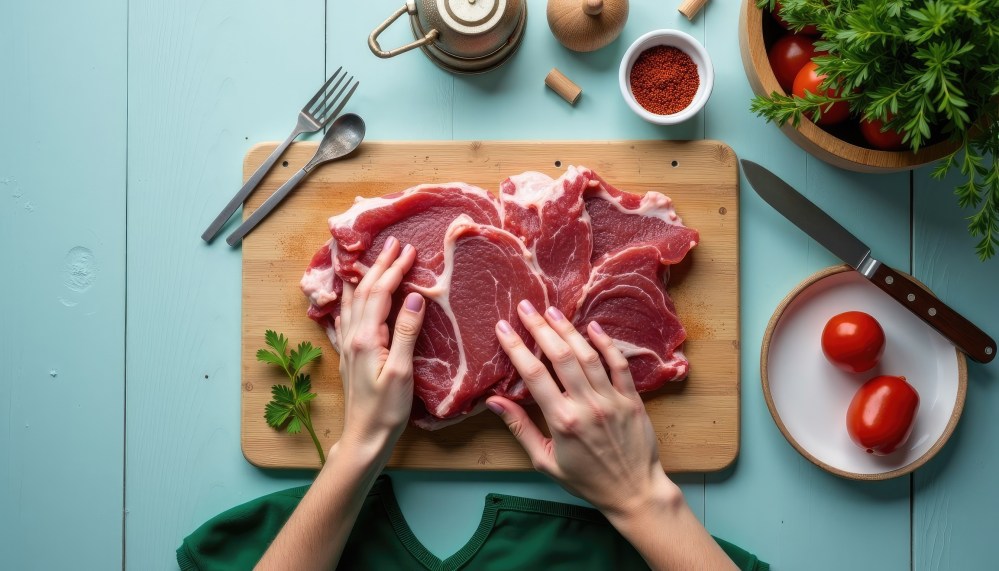
How Home Chefs Can Elevate Everyday Meals With Better Meat Choices
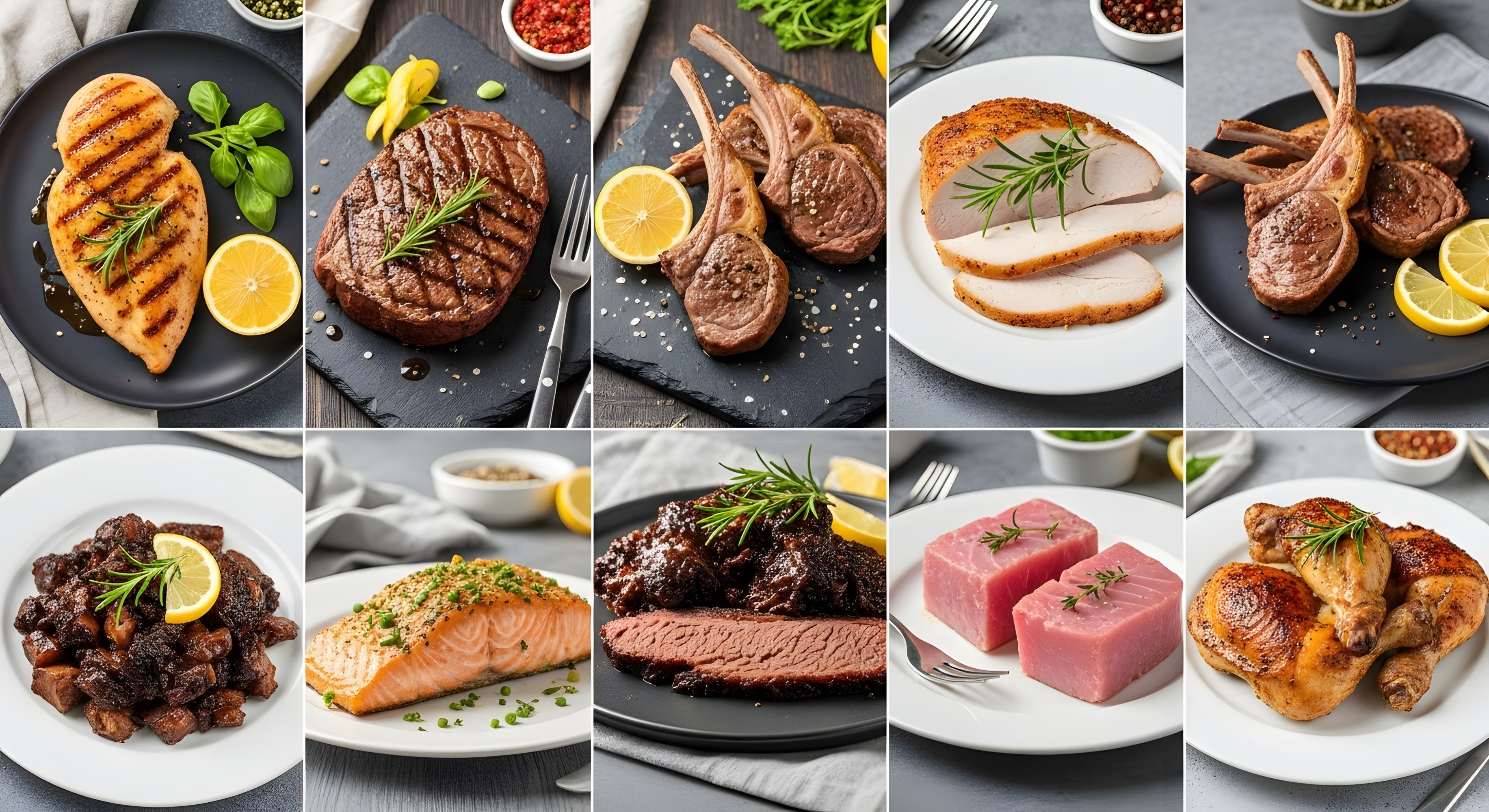
Dinner can feel like a task to complete rather than an experience to savor. We reach for familiar cuts of meat, employ the same reliable cooking methods, and plate meals that, while nourishing, rarely inspire. Yet, a profound shift is possible without overhauling your entire routine.
The secret lies in making more informed, intentional choices at the very start: at the meat counter. Understanding meat quality, exploring beyond the usual beef cuts, and mastering the techniques that make each cut shine enable home chefs to transform dinners into a gourmet experience. Read on below to find out more.
Key Takeaways
- Master the primal cuts and grading system to make informed foundational choices at the meat counter.
- Pair the right cooking method to each cut’s texture using dry-heat for tender and low-and-slow for tough.
- Execute essential techniques like a perfect sear for proper resting and slicing against the grain.
- Adopt a holistic craft embracing tools for butcher relationships and a nose-to-tail mindset for sustainable excellence.
Decoding the Language of Meat
The supermarket meat counter can be a bewildering place. To navigate it with confidence, you need to understand its language, starting with beef primal cuts. Think of these as the eight major sections the animal is divided into. Each primal has distinct characteristics that dictate the best cooking methods.
These primal cuts are the master map from which every steak and roast is derived. Your favorite cuts come from specific primals. For example, the short loin provides both strip steak and porterhouse. A beef cuts chart is an essential reference for this journey.
For quality, the USDA grading system is your objective guide. Look for the official grade shield, which provides a universal standard beyond brand names.
- Master the primal map: The eight primal cuts (chuck, rib, short loin, sirloin, round, brisket, plate, flank) are the foundation. Each has a unique texture and fat content suited to specific cooking methods.
- Follow the cut to the primal: Recognizing that your ribeye comes from the rib primal or your brisket from the breast primal helps you predict its cooking needs before you buy.
- Decode the USDA grade shield: This stamp is your key to consistent quality. It evaluates marbling (intramuscular fat) and maturity (animal age) to assign a grade.
- Shop by grade: USDA Prime indicates abundant marbling for maximum flavor and juiciness. Choice offers moderate marbling and excellent versatility. Select is leaner and best suited for marinating or braising.
- Use the right grade for the recipe: Match the grade to your cooking method—Prime for high-heat grilling of steaks, well-marbled Choice roasts for the oven, or lean Select cuts for slow-cooked dishes.
In the U.S., grading is voluntary. The primary grades you’ll encounter are Prime, Choice, and Select. The shield on the packaging is your assurance of these evaluated standards.
For those seeking the pinnacle of everyday excellence and convenient access to the highest USDA Prime selections, sourcing from a dedicated purveyor can redefine expectations. The modern solution is to order prime meat online from Grand Peaks Prime Meats, where rigorous grading and expert curation are guaranteed.
Matching the Right Cut with the Right Technique
Armed with knowledge of origins and grades, the next critical step is the marriage of cut and method. This is where most meals soar or stumble. Cooking techniques broadly fall into two categories: dry-heat cooking (grilling, broiling, pan-searing, roasting) for tender cuts, and moist-heat or low and slow methods (braising, stewing, slow-roasting) for tougher cuts rich in collagen.
Here is a guide to pairing popular cuts with their ideal cooking methods:
1. Ribeye Steak & Cowboy Steaks
With abundant marbling from the rib section, these cuts are designed for high-heat. A screaming-hot grill or cast-iron skillet creates a perfect crust, while the internal fat bastes the meat, resulting in a juicy, flavorful steak. Simple seasoning and a butter baste with herbs at the end elevate it further.
2. Filet Mignon & Strip Steak (from the Short Loin)
These tender, leaner cuts excel with dry-heat cooking. Pan-searing in a cast-iron skillet or grilling over direct high heat locks in juices. For filet mignon, often wrapped in bacon for added fat, a fast, hot sear followed by a butter finish is classic. A strip steak (or porterhouse steak, which includes it) benefits from a generous salt crust and precise timing to medium-rare.
3. Skirt Steak & Hanger Steak
These flavorful, coarse-grained cuts demand a very hot, fast sear and must be sliced against the grain. They are marinating champions, absorbing flavors that complement their beefy intensity. Perfect for quick weeknight stir-fries, fajitas, or steak salads.
4. Flat Iron Steak & Top Sirloin
Excellent value cuts that bridge everyday and gourmet. The flat iron steak, incredibly tender for coming from the chuck, grills beautifully. Top sirloin, a lean but flavorful cut, is best cooked quickly to no more than medium-rare and sliced thinly. Both are ideal for broadening your culinary horizons on a budget.
5. Short Ribs (Chuck Short Ribs) & Brisket (Point/Flat)
The ultimate low and slow projects. Chuck short ribs become transcendent when braised for hours, their collagen melting into the sauce. The brisket point (fatty) and brisket flat (lean) both require patient smoking or braising to transform tough meat into succulent, pull-apart tenderness. These cooking methods are weekend projects that yield deeply satisfying results.
6. Pork Belly
While not a beef cut, pork belly is a masterclass in rendering fat and achieving crispy skin through a combination of low and slow roasting and a final high-heat blast. It demonstrates how technique can turn one inexpensive ingredient into a decadent centerpiece.
Don’t overlook the flat iron steak, a tender and flavorful gem from the chuck. Once an underutilized cut, it’s now a chef favorite for grilling, offering great value. The skirt steak, from the plate primal, is the classic choice for fajitas. Its loose grain and intense beefy flavor absorb marinades beautifully and require just a very hot, fast sear and a careful slice against the grain.
Why Butcher Relationships Matter
While supermarkets offer convenience, building a relationship with a local butcher is a game-changer for the curious home chef. Butchers are founts of knowledge. They can explain the nuance of beef grades beyond the label, tell you about the origin of their meat, and perform custom cuts.
Want a porterhouse steak (which contains both strip steak and beef tenderloin)? They’ll cut it to your preferred thickness. Inquire about cowboy steaks (a bone-in ribeye with an extra-long frenched bone) for a special occasion. They can introduce you to cuts you won’t find pre-packaged, like the serratus ventralis (a.k.a. the false hanger), and provide expert pairing suggestions for herbs and wines. This partnership turns shopping from a transaction into an education.
Essential Techniques for Elevated Results
Knowledge of cuts is half the battle; execution is the other. Here are foundational techniques to ensure your premium choices deliver.
1. The Perfect Sear
Whether using a cast-iron skillet or grill, ensure the surface is smoking hot. Pat your steak (filet mignon, strip steak, etc.) completely dry. Season liberally just before cooking. Don’t move the meat until a rich, brown crust has formed. This Maillard reaction is non-negotiable for flavor.
2. The Art of Braising
For short ribs or brisket point, browning is equally crucial. After searing, deglaze the pot with wine or stock, scraping up the fond (those browned bits). This builds layers of flavor. Then cook, covered, at a bare simmer in the oven or on the stovetop until fork-tender.
3. Resting is Non-Negotiable
After cooking, let meat rest on a warm plate for 5-10 minutes (longer for roasts). This allows juices to redistribute, guaranteeing a moist, juicy slice instead of a pool of liquid on your cutting board.
4. Slicing Against the Grain
Especially critical for tougher cuts like skirt steak, hanger, or flat iron, identify the direction of the muscle fibers and slice perpendicularly. This cuts the long fibers into short pieces, making the meat dramatically more tender to eat.
Crafting the Complete Plate
How you pair and present food can elevate a good piece of meat to a memorable meal. This final step brings your planning to life, uniting all senses with contrast, balance, and harmony.
1. The Principle of Contrast
Balance the main qualities of your protein with different flavors. Rich ribeye pairs well with the acidic brightness of chimichurri or a shaved fennel salad. Braised short ribs taste fresher with gremolata or creamy mascarpone polenta. This variety keeps your palate interested and highlights each element.
2. Sauce as Seasoning and Complement
Use sauce to season and highlight the dish, not just cover it. Lean filet mignon benefits from a rich béarnaise or red wine reduction, which add moisture and flavor. Fatty pork belly pairs well with tangy apple mostarda or spicy-sweet gochujang glaze to balance richness. The sauce should enhance or complement the meat.
3. Compose with Color, Texture, and Height
Make your plate visually and texturally appealing, not just tasty. Serve strip steak with green blistered asparagus and smooth whipped potatoes. Top with crunchy maldon salt or toasted nuts. Play with height by leaning cowboy steak on crispy onion straws or stacking hanger steak over root vegetable galette. A good-looking plate excites diners.
4. Strategic Beverage Pairing for Elevation
Treat your drink as part of the meal, showcasing your wine tasting experience from your travels. Match strength and flavor: bold Cabernet matches porterhouse, while sweet brisket goes with a malty Oktoberfest or smoky bourbon. For lighter dishes like citrus-marinated skirt steak fajitas, try dry rosé or hoppy IPA for contrast. The right pairing enhances both food and drink.
The Power of Dry-Brining and Proper Tools
Dry-brining is a simple step that has a big impact on your cooking. To do it, salt your meat generously several hours or a day before cooking. Leave it uncovered in the fridge. The salt pulls out moisture, then dissolves and gets drawn back into the meat. This not only seasons the inside but also makes the meat more tender.
The dry exterior helps achieve a better sear. For cuts like prime rib or thick strip steak, dry-brining is key to juicy meat and a crisp, flavorful crust. While you go about your day, your fridge does the work of seasoning and tenderizing.
Having the right tools in your kitchen matters just as much. Start with a heavy cast-iron or carbon steel pan. These pans hold and spread heat well, creating a great sear. Use a good instant-read thermometer to check doneness. You’ll get perfect results whether cooking filet mignon or a sirloin roast.
For slow-cooked dishes, use a heavy Dutch oven with a tight lid. A roasting rack helps food cook evenly, letting heat move around it. A sharp chef’s knife and sturdy wooden cutting board also make slicing easy and help keep your food’s texture just right.
The Sustainable Gourmet
Transforming your homemade meals also means changing your mindset about value and waste. Start by embracing a nose-to-tail philosophy. This means trying to use more of the animal. This approach leads to discoveries and builds respect for each ingredient. For example, ask your local butcher for underutilized gems like beef cheek. It becomes rich when braised.
Use oxtail for stocks and stews, or bone marrow for decadent toast. These cuts are often more affordable. With the proper methods—always moist-heat for these cuts—they yield some of the most flavorful dishes. This approach expands your culinary horizons. It also represents a more sustainable and economical way to eat well.
A good home cook knows how to create new meals from leftovers. For example, a strip steak from earlier in the week can become steak hash with potatoes and onions. You can also slice it for a sandwich with horseradish cream. The liquid from braised brisket is also useful. Reduce it for a sauce, use it in soup, or cook beans in it for extra flavor.
Save bones from steaks in the freezer. When you have enough, make homemade beef stock for sauces and risotto. By reusing ingredients, you get the most out of your food. You make gourmet cooking practical and satisfying.
The Bottom Line
Transforming everyday meals is a holistic pursuit that begins long before you preheat the oven. It’s about applying focused techniques to honor your quality ingredients. By investing this modest amount of education and intentionality into your meat choices, you do more than just cook dinner. You expand your culinary horizons, turn the nightly meal into an opportunity for creativity and connection, and consistently deliver flavor scores that rival any restaurant. Choose them wisely, treat them with respect, and every meal becomes a masterpiece.