
How to Cook Bold Meals With Salt-Free Seasoning
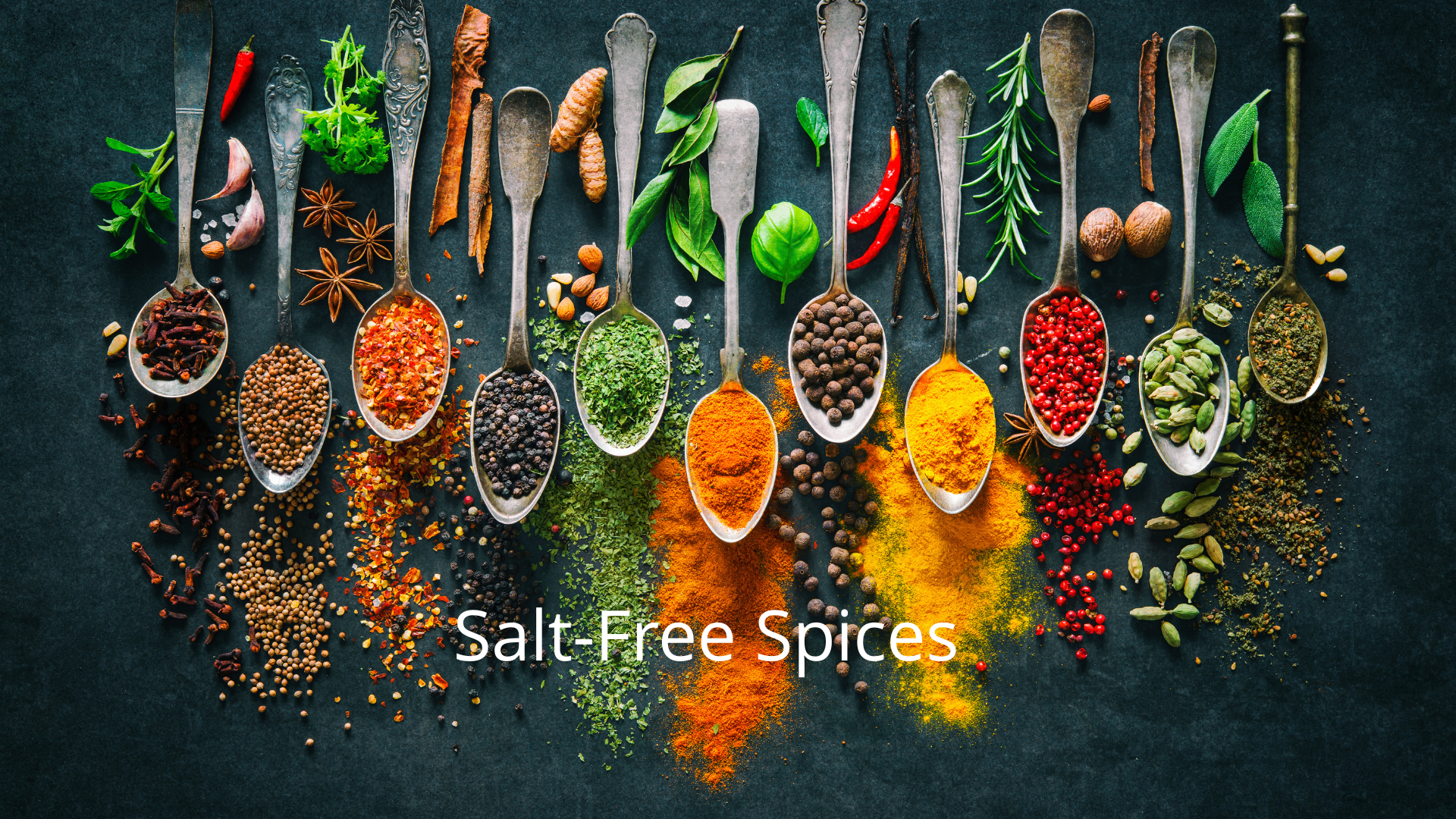
It can be challenging to imagine cooking and eating food without salt, a seasoning that enhances the flavor of most foods. However, with a few twists and the right ingredients, delicious and bold meals are still within reach. Salt-free seasoning opens up a whole new world of culinary adventure, allowing chefs to discover new tastes without the health concerns associated with high sodium levels. In this post, you will learn how to utilize these seasonings to prepare delicious meals effectively.
Embracing New Flavors
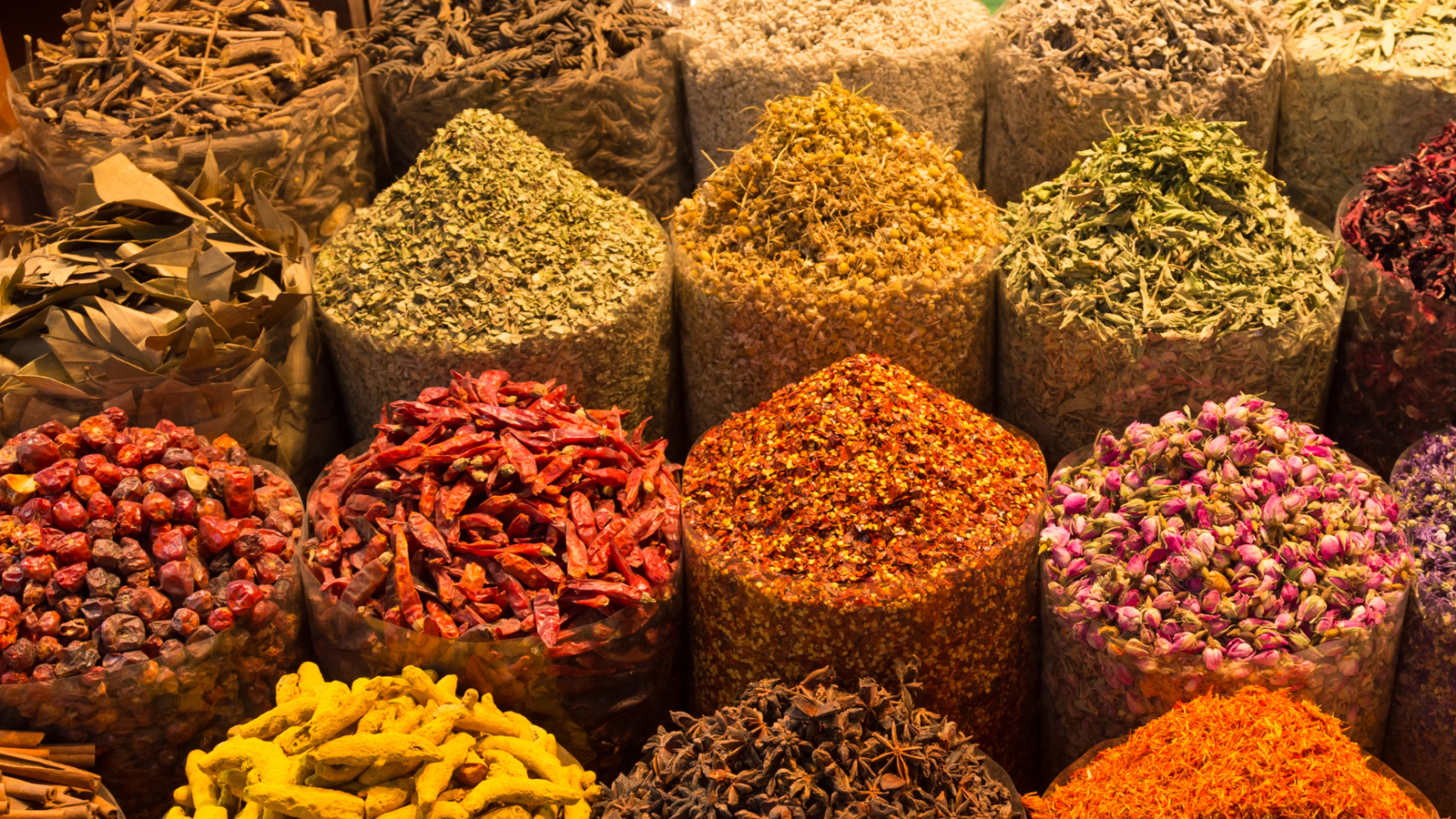
Salt-free seasoning is possible. Even if you can have salt but no longer want much of it, you need salt-free seasoning to help transform ordinary meals into top-notch ones. Basil, oregano, and thyme carry depth and add complexity to dishes. The dry-roasted spices, such as cumin, paprika, and turmeric, anchor every bite in warmth and depth of flavor.
There are plenty of combinations to try, and sometimes the best discoveries come during experimentation. For example, cinnamon and cumin offer a sweet and savory flavor that pairs well with roasted vegetables. A hint of citrus zest can add brightness and freshness to a dish.
Understanding Ingredients
Understanding ingredients is the first step. While fresh herbs and spices offer the best flavor, dried varieties can also be used effectively. Using dried herbs, note that they are generally more concentrated, so they should be used in smaller quantities.
Garlic and onions are great for depth and flavor. They can get a little unique, but roasting them will release natural sweetness, adding extra dimension to the dish. Balsamic or apple cider vinegars add acidity and balance that eliminates the need for salt.
Techniques for Enhancing Flavor
The way food is prepared can make or break the quality of a meal. This is primarily achieved by searing meats or vegetables, which results in the formation of a rich, caramelized crust that adds depth of flavor. Flavors develop over time when the dish is subjected to slow cooking, resulting in a well-balanced dish that tastes even better the next day.
Using a high-quality oil with a distinct flavor, such as olive or sesame oil, can also be beneficial. Toasting spices before adding them to a dish can release their essential oils, which intensifies the aroma and flavor of the spices. Herb- or spice-infused oils add extra flavor and are great for drizzling over finished dishes.
Creating Balanced Dishes
As in all things culinary, finding a middle ground is the goal. When there is no salt, you need to find that balance carefully. Balanced meals extend beyond the basics of cooking; they take into account acidity, sweetness, bitterness, and even umami.
Brighten flavors with an acid (either lemon juice or vinegar). Honey or maple syrup offers a hint of sweetness to counter bitterness. Use umami-rich ingredients, such as mushrooms or tomatoes, to bring depth and satisfaction.
Experimenting with these variables yields an occasionally harmonious, always delectable result. Bitter greens with sweet berries, toasted nuts, and a sharp vinaigrette can tickle the taste buds without a grain of salt.
Exploring Global Inspirations
Draw inspiration from other parts of the world. Aromatic herbs and spices are used in many cultures to show that salt-free does not mean bland.
Indian cuisine, for example, is renowned for its use of blended spices such as coriander, turmeric, and cardamom. These can range from directly related to Middle Eastern food, such as sumac, za’atar, or saffron. Chili powder, cumin, and lime are used in Mexican cooking.
From multicultural recipes to trying new spices, there is a world of options. This allows cooks to explore and lets creativity take flight.
Adapting Favorite Recipes
It may take some trial and error to modify beloved recipes to eliminate salt. It is important to remember that even small changes can produce significant results.
For instance, you can reduce the salt in a soup by adding herbs, spices, and a squirt of vinegar. Swap that out for unsalted butter and a touch more vanilla or cinnamon to sweeten the deal in baked goods.
Be open and be experimental because your taste buds and tummy will thank you. Finding ways to make your favorite foods palatable again without sacrificing flavor.
Wrapping Up
Cooking big dinners with salt-free seasoning is a guilt-free culinary journey. With a healthy dash of experimentation, a sprinkle of ingredient knowledge, and a splash of the right cooking methods, flavorful meals can come together that are also beneficial for the body.
So many of our most-loved recipes can be adapted or served with an element of inspiration from around the world, and that is where the fun begins. With a bit of creativity, even the most indulgent and satisfying of meals are fully attainable by all—salt is not the only secret to seasoning.