
The Right Selection of Fruits & Vegetables for Your Diet: 6 Tips to Follow

Eating healthier starts with the right produce. The colors, textures, and nutrients packed into fruits and vegetables can shape how you feel, think, and perform daily. But knowing what to choose and how to balance it with your health needs is where many people stumble.
Smart choices can support long-term wellness goals. Whether you’re building a better grocery list or trying to overhaul your lifestyle, these six tips will help you make the most of your fruit and veggie selections.
Understand the Power of Variety
Focusing on variety brings greater nutritional rewards. Each fruit and vegetable carries a unique profile of antioxidants, minerals, and phytonutrients. Colorful plates indicate a diverse nutrient spread.
Dark leafy greens like spinach or kale are known for their iron and calcium content. Orange vegetables such as sweet potatoes and carrots bring in beta-carotene. Red and purple fruits like cherries or beets are rich in anthocyanins, which are linked to cognitive benefits.
Rotating what you eat not only protects you from dietary gaps, but it also keeps your meals interesting, which makes you more likely to stick with better habits.
Balance Raw and Cooked Options
Some nutrients are more bioavailable when cooked. Tomatoes, for instance, release more lycopene after heating. On the other hand, certain vitamins like vitamin C can degrade during the cooking process. That means a combination of raw and cooked produce helps your body get the full range of benefits.
Try starting your day with a fruit smoothie, enjoying a raw salad at lunch, then roasting a medley of vegetables for dinner. This balance introduces different textures and nutrient profiles into your routine.
Shop According to Season
Fruits and vegetables that are in season often have higher nutritional value and better taste. They’re usually picked at peak ripeness and don’t need to travel long distances, which means fewer preservatives and more flavor.
In summer, tomatoes, corn, berries, and zucchini are abundant. In cooler months, look for squash, root vegetables, and citrus fruits. Farmers’ markets are excellent places to find what’s fresh locally.
Buying in season is also budget-friendly. You’ll often find discounts on bulk produce or more generous portions for the price compared to out-of-season imports.
Tailor Choices to Your Health Needs
Different diets require different produce priorities. People with specific conditions such as diabetes, kidney disease, or high blood pressure must be more selective. For example, bananas and potatoes are high in potassium, which could be problematic for some.
Those managing blood sugar should look into low-glycemic options. That’s why selecting the right fruits for diabetics involves paying attention to fiber content, natural sugar levels, and how the body processes them. Pairing fruits with healthy fats or proteins, like a small handful of nuts, can reduce blood sugar spikes.
Customizing your choices gives your body exactly what it needs without compromising taste or balance.
A registered dietitian or healthcare provider can help you build a food list aligned with your personal requirements and medication interactions.
Wash, Store, and Prep Correctly
Even the best produce can lose value if it’s not handled properly. Dirt, bacteria, and pesticide residues linger on unwashed items. Rinse all fruits and vegetables thoroughly under cool running water before storing or cutting them.
Storage makes a difference in taste and safety. Leafy greens should be kept dry in breathable bags, while root vegetables do best in a cool, dark drawer. Don’t store ethylene-producing items like apples or bananas next to sensitive items such as greens or berries; they’ll ripen and spoil faster.
Meal prep is another area where small changes make big impacts. Chopping vegetables in advance and storing them in clear containers encourages smarter snacking and speeds up cooking.
Pay Attention to Portion Sizes
It’s possible to have too much of a good thing, particularly with fruits that are higher in natural sugars. The general recommendation is five servings of fruits and vegetables per day, but this varies based on age, activity level, and health conditions.
A serving is roughly one medium fruit, half a cup of cooked vegetables, or one cup of raw leafy greens. Knowing these benchmarks helps you track your intake more accurately.
If you’re unsure how much you’re consuming, try journaling your meals for a few days. You might discover you’re missing out on certain groups or leaning too heavily on just one or two options.
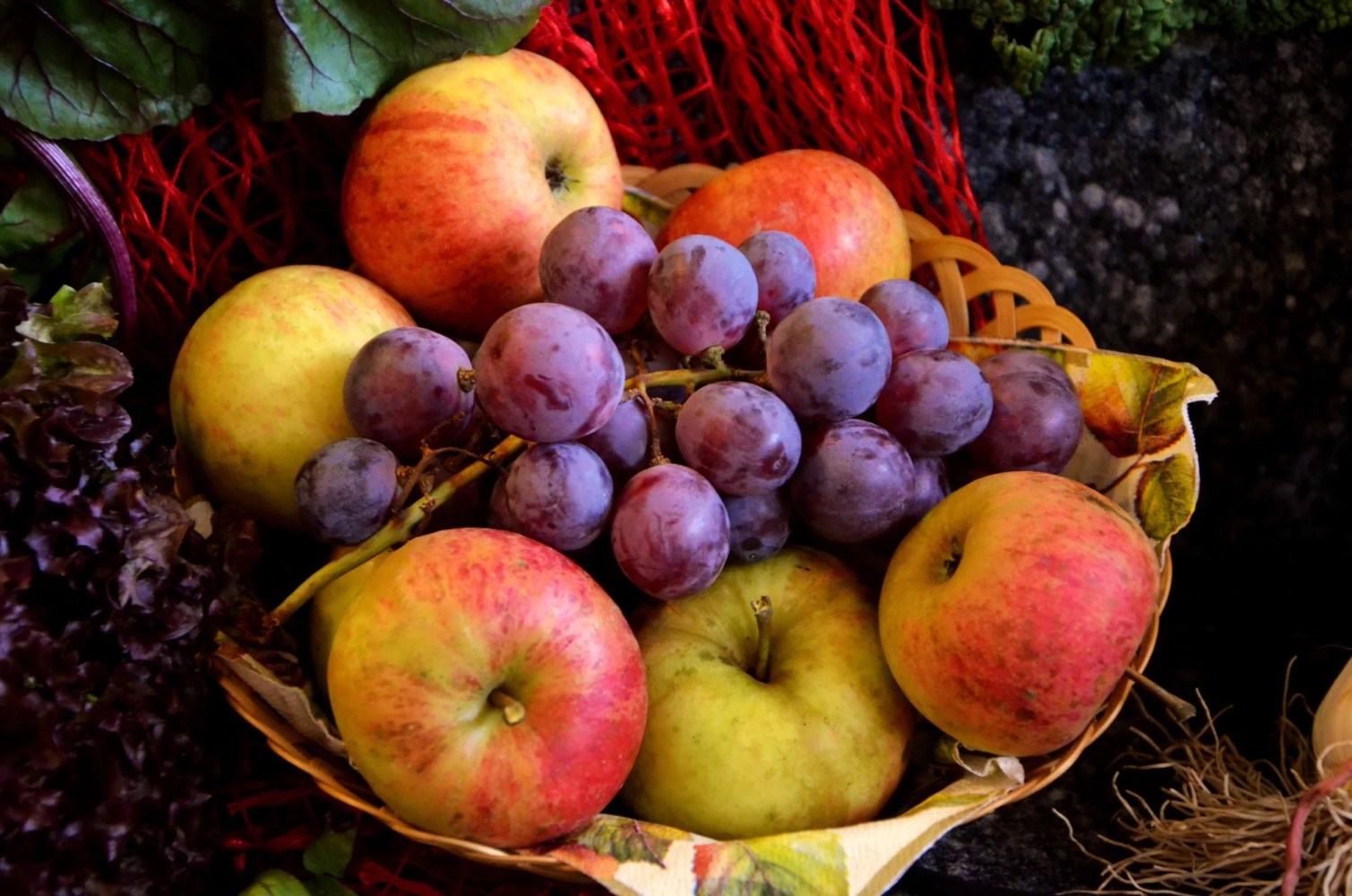
Choosing the right fruits and vegetables is about creating balance and making intentional choices that serve your goals. Whether you’re shopping on a budget, managing a medical condition, or simply trying to feel better in your own skin, the way you stock your fridge matters.
Simple habits like eating seasonally, storing food properly, and diversifying your choices add up quickly. What you put on your plate fuels everything from your metabolism to your mood. And the more conscious you are about those choices, the more empowered you become in your own wellness journey.
This post was published by Cherimarie Poulos aka Mrs. Carlsbad is the owner and founder of Carlsbad Food Tours!

A Party on the Move!
We plan it, you enjoy! A 3-Hour guided walking tour with 6 tasting locations for food, wine and or beer! Come learn about Carlsbad’s history, culture and architecture while eating your way through our seaside village. Corporate Private Group Experiences are also available upon request for team building events! Gift Cards for our food tours make great experience gifts for the holidays!
Carlsbad Chamber of Commerce Podcast: Carlsbad Food Tours
Woman-Veteran-owned business!
Cherimarie loves showcasing the delicious food, deep-rooted history, and unique culture Carlsbad has to offer!
And guess what? By taking a tour with us, you’re helping support local Carlsbad businesses and charities.
Let us break bread together!
Food is the ingredient that binds us together. It is the constant that unites all people. It’s the nourishment of the soul that helps to connect us to our own cultures and beliefs as well as others, bridging gaps in society.