Agua Hedionda Lagoon | The Lagoon That Has Sustained Carlsbad for Thousands of Years
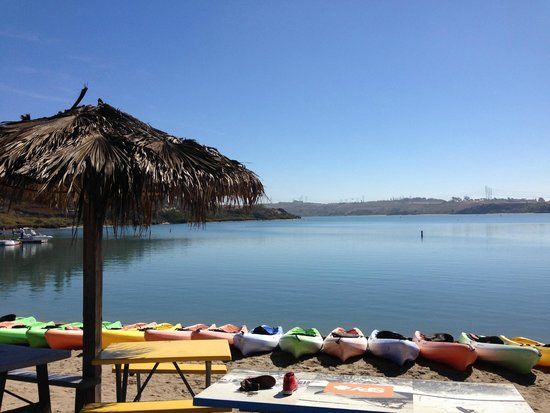
Long before Carlsbad became known for its beaches, restaurants, and Flower Fields, Agua Hedionda Lagoon was the heart of life along this stretch of the California coast.
For thousands of years, the lagoon has provided food, fresh water, shelter, and transportation for people and wildlife alike. Today, it remains one of Carlsbad’s greatest natural treasures—a place where history, recreation, and conservation exist side by side.
Whether you’re kayaking across its calm waters, watching egrets hunt along the shoreline, or simply enjoying the peaceful scenery, you’re experiencing one of the places that helped shape Carlsbad long before the city even existed.
A Place of Big Water
Long before European explorers arrived, the Luiseño people lived around the lagoon, relying on its abundant fish, shellfish, birds, and fresh water. One of their villages, Palamai, was located near what is now Agua Hedionda Lagoon, making it one of the earliest known communities in present-day Carlsbad.
In 1769, members of the Portolá Expedition became the first Europeans to document the lagoon. Spanish soldiers called it “Agua Hedionda,” meaning “stinking water.” While the name may sound unflattering today, historians believe the odor likely came from nearby sulfur springs or decaying organic material naturally found in coastal wetlands—not from polluted water.
From Rancho to Resort Town
During California’s Mexican period, the lagoon became part of the 13,311-acre Rancho Agua Hedionda, granted in 1842 to Juan María Marrón, a former ship captain and prominent early San Diego resident. The rancho stretched from the Pacific Ocean inland toward present-day Vista and played an important role in ranching and agriculture.
Decades later, when Captain John A. Frazier discovered Carlsbad’s famous mineral water nearby, the lagoon once again became central to the area’s development. Early visitors traveling to Carlsbad’s hotels, mineral springs, and beaches passed this beautiful estuary on their journey into town.
A Living Ecosystem
Today, Agua Hedionda Lagoon covers approximately 400 acres and is divided into three basins:
- Outer Lagoon – Connected to the Pacific Ocean and home to shellfish aquaculture.
- Middle Lagoon – Popular for boating, paddleboarding, kayaking, and water sports.
- Inner Lagoon – A quieter area that supports sensitive wildlife habitat and wetlands.
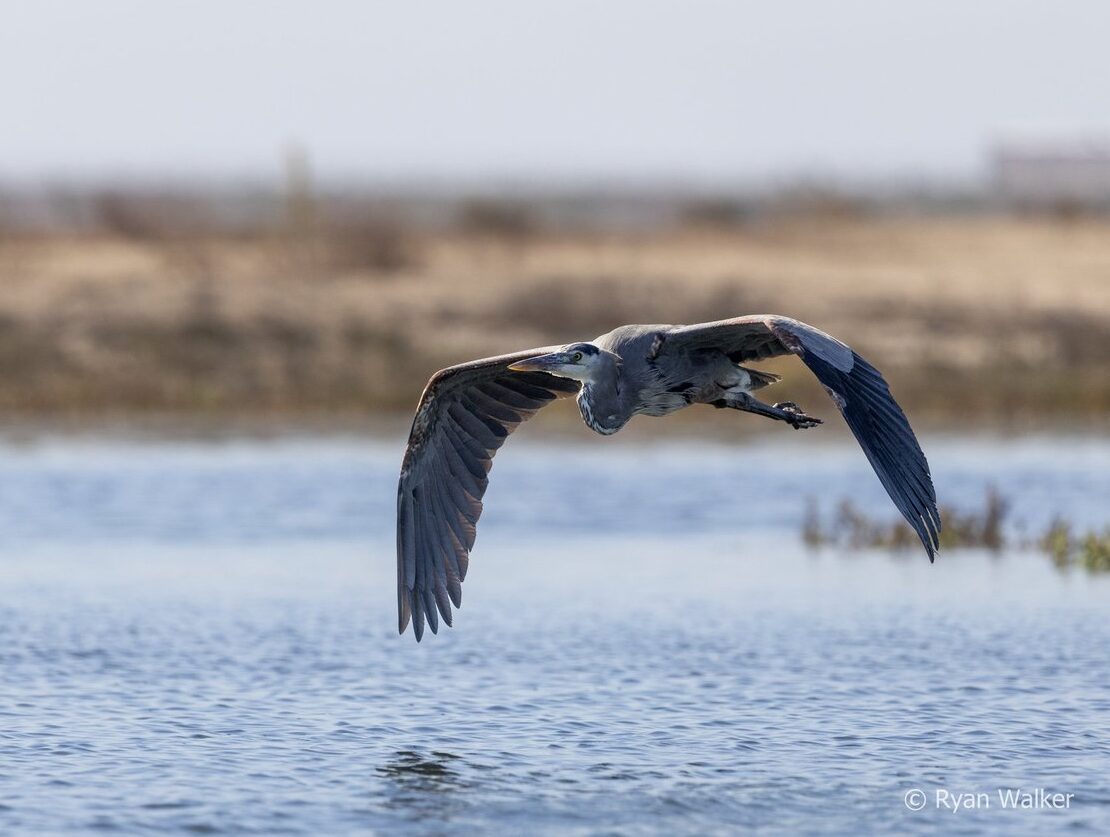
The lagoon supports an incredible diversity of life, including:
- Great blue herons
- Snowy egrets
- Ospreys
- Brown pelicans
- Shorebirds
- Fish
- Crabs
- Rays
- Native plants
- Endangered and migratory species
Its wetlands serve as an important stopover for migratory birds traveling along the Pacific Flyway.
More Than a Beautiful View
Agua Hedionda Lagoon is one of the most active recreational areas in North County.
Visitors enjoy:
- Kayaking
- Paddleboarding
- Sailing
- Fishing
- Walking trails
- Bird watching
- Nature photography
- Educational programs
The lagoon is also home to several unique organizations, including the Hubbs-SeaWorld Research Institute’s white seabass hatchery, commercial shellfish farming, the Agua Hedionda Lagoon Foundation Discovery Campus, and the North Coast YMCA Aquatic Center.
Protecting a Carlsbad Treasure
As Carlsbad grew, so did the need to protect this remarkable ecosystem.
Founded in 1990, the Agua Hedionda Lagoon Foundation works to preserve the lagoon through education, habitat restoration, volunteer programs, and community outreach. The Discovery Campus introduces thousands of schoolchildren and visitors each year to the importance of wetlands, watersheds, and environmental stewardship.
The lagoon reminds us that preserving nature is just as important as preserving historic buildings. Both tell the story of Carlsbad.
If These Waters Could Talk…
“I’ve watched Native American families paddle across my waters, Spanish explorers pause along my shores, ranchers water their livestock, and generations of children discover the wonders of nature. Though Carlsbad has grown around me, I continue to provide life, beauty, and inspiration to everyone who visits.”
Cherimarie’s Reflection
Whenever I visit Agua Hedionda Lagoon, I’m reminded that Carlsbad’s story didn’t begin with buildings—it began with the land and the water.
This lagoon has quietly witnessed every chapter of our community’s history, from the Luiseño people to today’s families enjoying a paddleboard or nature walk. My daughter Hannah and I paddleboard every Sunday morning.
One of the things I love most about sharing Carlsbad with guests is showing them places like this. It’s easy to admire the beauty, but once you know its story, you realize you’re standing in one of the oldest and most important places in our city.
Did You Know?
- “Agua Hedionda” translates to “stinking water” in Spanish, likely referring to natural sulfur springs or decaying organic material.
- The lagoon is approximately 400 acres and consists of three separate basins.
- A Luiseño village called Palamai once stood near the lagoon.
- The lagoon is part of the historic Rancho Agua Hedionda, established in 1842.
- The Agua Hedionda Lagoon Foundation has been protecting and educating the public about the lagoon since 1990.
Explore More Carlsbad Stories
Continue exploring Carlsbad’s history and natural beauty:
- Juene et Jolie
- https://www.carlsbadfoodtours.com/blog/jeune-et-jolie-french-inspired-fine-dining-that-helped-put-carlsbad-on-the-culinary-map/
- Campfire
- https://www.carlsbadfoodtours.com/blog/campfire-gathering-around-the-fire-the-restaurant-that-helped-redefine-carlsbad-dining/
- Lilo
- https://www.carlsbadfoodtours.com/blog/lilo-a-coastal-celebration-of-california-cuisine-in-the-heart-of-carlsbad-village/
- Carlsbad Strawberry Company
https://www.carlsbadfoodtours.com/history/carlsbad-strawberry-company/ - Arthur Gage and the Flower Fields
https://www.carlsbadfoodtours.com/history/arthur-gage-flower-fields/ - Edwin Frazee
https://www.carlsbadfoodtours.com/history/edwin-frazee/ - Mellano & Company
https://www.carlsbadfoodtours.com/history/mellano-company/ - Carlsbad Village
https://www.carlsbadfoodtours.com/discover-carlsbad/carlsbad-village/ - Carlsbad Food Tours
https://www.carlsbadfoodtours.com/