
Keeping Different Age Groups Engaged
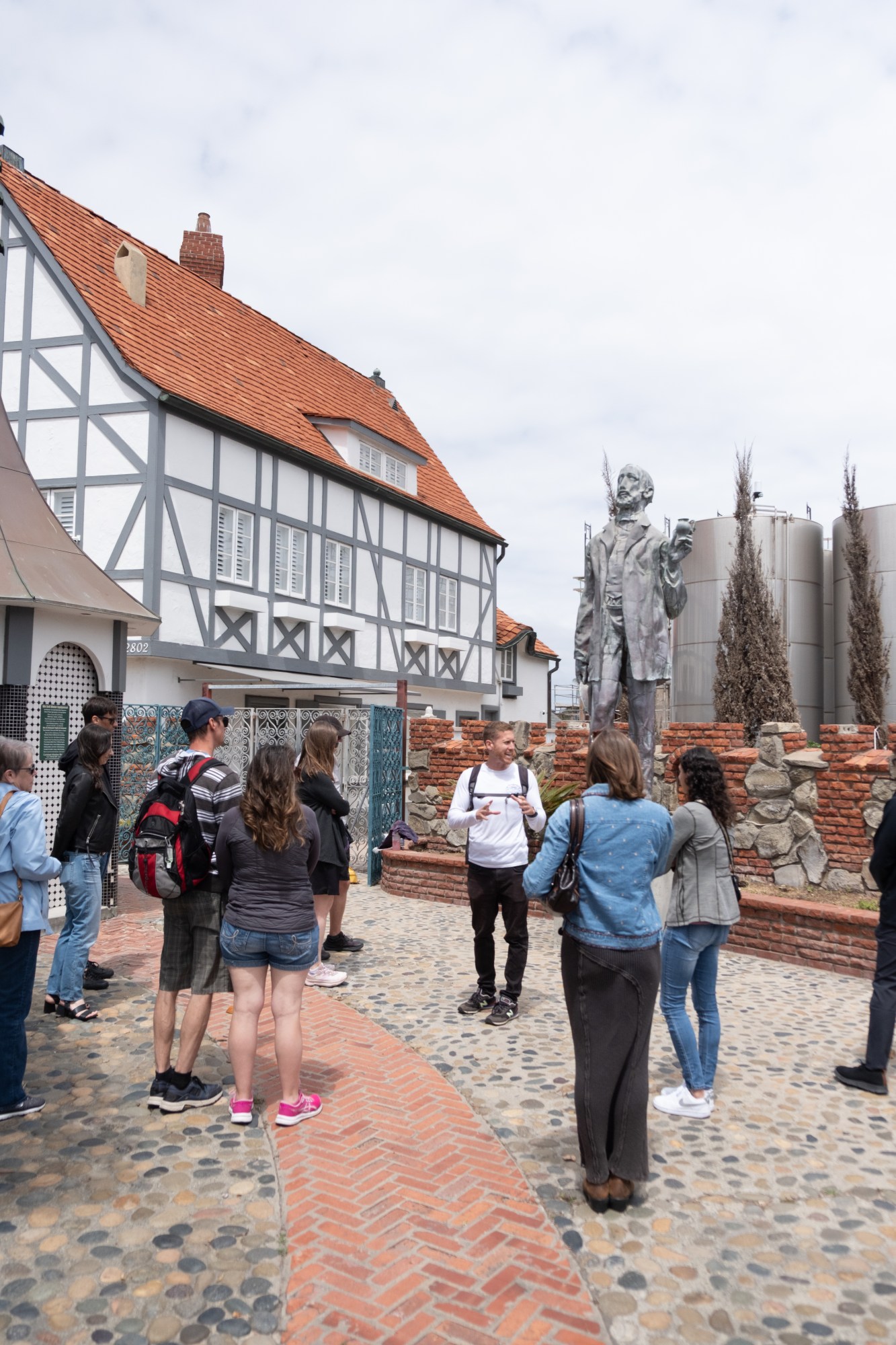
Purpose
This SOP helps guides create an inclusive experience for children, teenagers, adults, and older guests without making assumptions about their interests or abilities.
The guide should adapt the delivery—not change verified facts or lower the quality of the experience.
Read the Group
At the beginning of the tour, observe:
- Approximate age range
- Family relationships
- Energy level
- Walking pace
- Interest in food, history, architecture, or local life
- Comfort asking questions
- Mobility or hearing needs
Ask:
“Is there anything you are especially excited to discover today—food, history, architecture, or local recommendations?”
Engaging Children
Children often respond well to:
- Short stories
- Questions with visible answers
- Surprising facts
- Simple comparisons
- Counting or observation challenges
- Opportunities to identify colors, buildings, or ingredients
Ask:
“Can anyone spot the oldest-looking building on this street?”
Do not require a child to answer or perform for the group.
Keep children with their responsible adults. The guide does not assume responsibility for supervising a child separately.
Engaging Teenagers
Teenagers should be addressed respectfully—not spoken to as young children.
They may enjoy:
- Local legends
- Food trends
- Photography locations
- Social-media-worthy details
- Entrepreneurship
- Sports and outdoor recreation
- Questions that invite opinions
- Stories about innovation or change
Ask:
“If you were creating a restaurant for this neighborhood, what would you serve?”
Allow teenagers to participate without putting them on the spot.
Engaging Adults
Adult guests may appreciate:
- Restaurant stories
- Local history
- Architecture
- Culinary techniques
- Business ownership
- Travel recommendations
- Community changes
- Opportunities for conversation
Balance information with social time. Not every minute needs to contain a formal story.
Engaging Older Guests
Older guests may bring extensive travel, professional, and life experience. Avoid stereotypes or overly simplified language.
Helpful adjustments may include:
- Facing the group while speaking
- Choosing quieter locations
- Allowing additional walking time
- Offering seating when available
- Repeating essential directions
- Avoiding abrupt route changes
- Providing time for questions
Ask privately whether an adjustment would be helpful rather than assuming assistance is needed.
Managing Mixed-Age Groups
For mixed groups, layer the story.
Begin with an accessible image or question, add the core historical facts, and then offer deeper detail for interested guests.
For example:
“Imagine this entire area as agricultural land. Children might picture the fields, while adults may be interested in how farming shaped Carlsbad’s economy and development.”
Avoid Assumptions
Do not assume that:
- Children dislike history
- Teenagers are uninterested
- Adults only care about food
- Older guests cannot walk comfortably
- Everyone in a family shares the same interests
Respond to the people in front of you.
Practice Exercise
Choose one Carlsbad story and prepare:
- A child-friendly question
- A detail likely to interest teenagers
- A culinary or business connection
- A historical detail
- A version suitable for a quieter, slower-paced group
The core story should remain accurate in every version.
Performance Standard
A trained guide should:
- Read the audience respectfully
- Invite different forms of participation
- Adapt story length and examples
- Avoid stereotypes
- Include quieter guests
- Adjust pacing and positioning
- Preserve accurate storytelling for every age group