Mexican Farmworkers and the Carlsbad Barrio
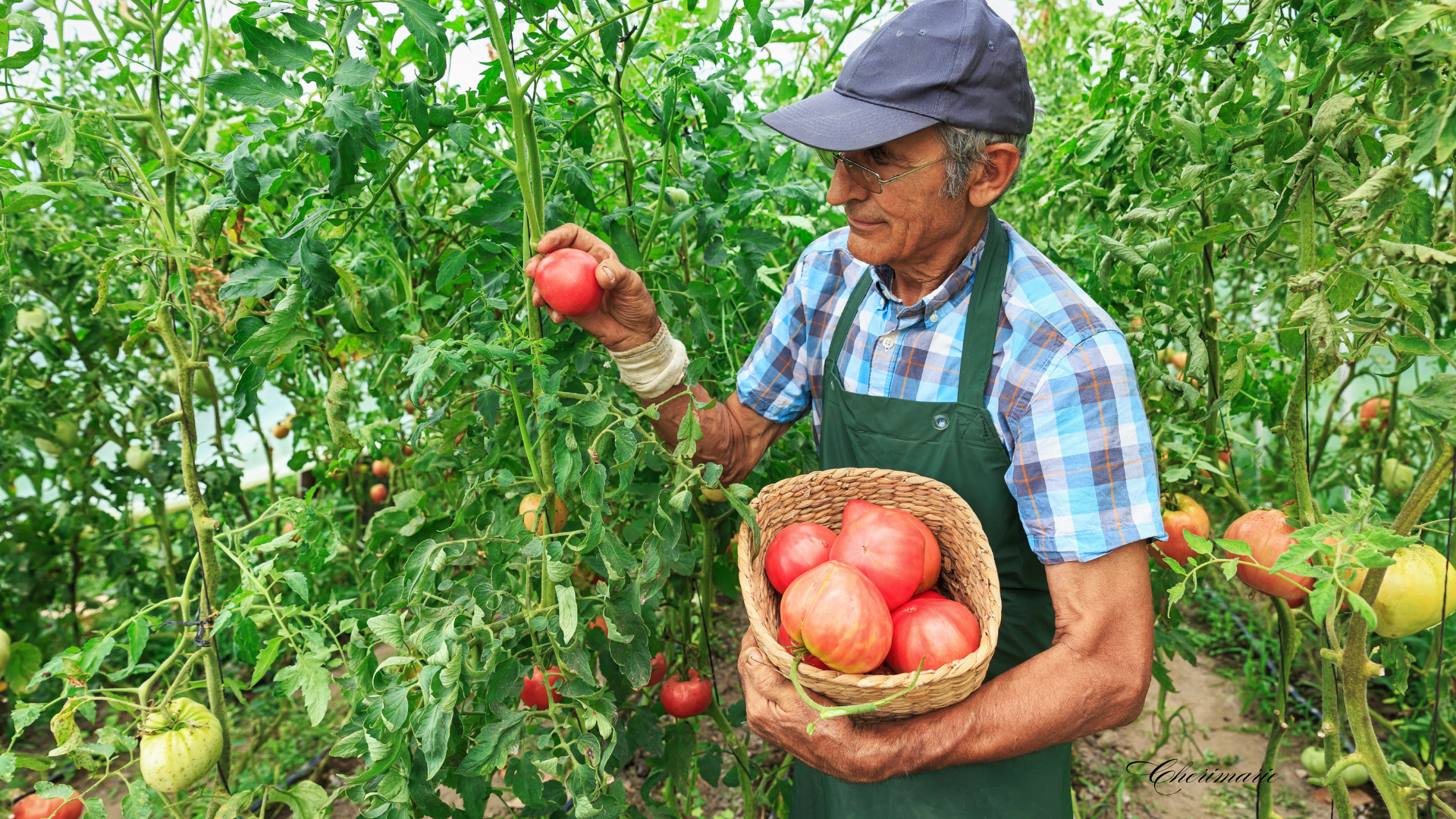
Carlsbad’s agricultural history is often told through its crops, successful growers, and beautiful fields. We hear about beans, tomatoes, avocados, flowers, and strawberries.
But those crops did not plant, cultivate, or harvest themselves.
Behind Carlsbad’s agricultural success were generations of workers whose physical labor, agricultural knowledge, and perseverance helped transform open land into productive farms. Many were Mexican immigrants and Mexican American residents who settled south of downtown in the neighborhood that became known as Barrio Carlos—or simply the Barrio.
Their contributions belong at the center of Carlsbad’s story.
Carlsbad Before the Beaches and Resorts
Before Carlsbad became a coastal destination, agriculture was one of the community’s most important industries.
Bean fields stretched across open land. Avocado and citrus groves covered hillsides. Farmers produced tomatoes and other vegetables. Flower growers cultivated gladiolus, poinsettias, and ranunculus. Strawberry farming later became another recognizable part of the landscape.
Carlsbad’s favorable climate and fertile soil made these crops possible, but the farms also depended on a reliable and experienced workforce.
Mexican farmworkers provided much of that essential labor.
Arriving in Carlsbad
The Mexican Revolution began in 1910 and produced years of political unrest, violence, and economic hardship. During the 1910s and 1920s, many Mexican families traveled north in search of safety, employment, and a more stable future.
Some came directly to Carlsbad. Others arrived after working in different agricultural areas or following family members who had already settled in North San Diego County.
Carlsbad’s farms and groves offered employment, while the railroad provided transportation for workers and agricultural products.
Many families established homes near the railroad tracks and within walking distance of the fields. This area south of downtown became known as Barrio Carlos.
Working in the Fields
Farm labor was physically demanding and changed with the seasons.
Workers cleared and prepared the land, planted seeds and bulbs, maintained irrigation systems, removed weeds, tended crops, harvested produce, packed shipments, and prepared fields for the next growing cycle.
The work often began early in the morning and continued through heat, coastal dampness, dust, and changing weather.
Different crops required different skills. Beans, tomatoes, avocados, flowers, citrus, and strawberries each had their own planting, cultivation, and harvesting methods.
The workers were not simply performing unskilled labor. Their experience, timing, judgment, and knowledge were essential to the success of the farms.
Mexican Women and Agricultural Life
Women were also important participants in Carlsbad’s agricultural community.
Some worked directly in the fields, nurseries, packing areas, and flower operations. Others managed households, raised children, prepared meals, took in laundry, cared for extended family members, or earned income through home-based work.
Their contributions allowed families and the larger agricultural workforce to survive.
Women also helped preserve language, recipes, religious traditions, celebrations, and family stories. Through their labor inside and outside the home, they helped transform a group of workers’ residences into a lasting community.
The Development of Barrio Carlos
The Barrio was more than a convenient place to live near the fields.
By the 1920s, Mexican and Mexican American families were building homes, establishing businesses, creating places of worship, and forming strong community relationships.
Early families associated with the Barrio included the Ramirez, Trejo, Acuña, Aguilar, Gastelum, Martinez, Mata, and Soto families.
The Ramirez family built a home and farm near Roosevelt and Walnut, where they reportedly grew beans and raised animals. Pablo Trejo purchased several lots and developed homes, a garage, and a store.
The intersection of Roosevelt Street and Walnut Avenue became an important neighborhood center. A grocery store, restaurant, pool hall, church, residences, and other gathering places supported daily life.
The Barrio became a place where families could work, worship, celebrate, raise children, and help one another.
Agriculture Supported a Community
Income from farm and nursery work helped families purchase property, open businesses, and educate their children.
Farmworkers and their descendants became business owners, teachers, veterans, civic leaders, and advocates. They contributed not only to Carlsbad’s agricultural economy but also to its cultural and civic development.
The fields provided employment, but the community the families created became their lasting legacy.
Barrio residents maintained Mexican traditions while also building new lives in Carlsbad. Food, music, faith, celebrations, and family gatherings helped preserve a shared cultural identity.
The Bracero Era
During World War II, agricultural labor shortages led the United States and Mexico to establish the Bracero Program in 1942. The program brought Mexican contract laborers to farms and railroads throughout the United States.
Braceros became part of the broader Southern California agricultural workforce during a period when farms required large numbers of seasonal workers.
Their labor supported food and flower production, but the program also involved difficult working and living conditions. Many workers experienced low wages, limited protections, family separation, and unequal treatment.
This history reminds us that agricultural success sometimes depended on people whose labor was essential but whose experiences received little public recognition.
From Farmworkers to Business Owners
As Carlsbad grew and agricultural land gradually disappeared, Barrio families adapted.
Some continued working in farming, nurseries, landscaping, construction, hospitality, and related industries. Others created family businesses that became permanent parts of Carlsbad.
One of the Barrio’s best-known landmarks is Lola’s 7 Up Market & Deli.
Lola Jauregui and her family helped create a gathering place where neighbors could purchase food, share news, maintain traditions, and feel at home. Later generations continued the family business and preserved its connection to the neighborhood.
Lola’s represents an important transition in the Barrio story—from working in Carlsbad’s agricultural economy to owning businesses and preserving the community’s history.
Food Preserves the Story
The food traditions of the Barrio reflect family, migration, memory, and survival.
Recipes traveled from Mexico and were adapted through generations of life in Southern California. Tamales, tortillas, beans, rice, tacos, sauces, and family specialties became ways of preserving culture and bringing people together.
Today, when guests visit Lola’s or enjoy Mexican food in Carlsbad, they are experiencing more than a meal. They are encountering part of the cultural legacy created by families whose work helped sustain the city’s farms.
Food gives us a way to remember the people behind the fields.
A Neighborhood Surrounded by Change
Much of Carlsbad’s farmland eventually became neighborhoods, businesses, roads, resorts, and shopping areas.
As land values increased, the Barrio also faced development pressure. Yet the neighborhood retained its identity through family relationships, community organizations, cultural traditions, churches, businesses, public art, and the determination of residents.
Today, the Barrio remains one of Carlsbad’s most historically and culturally important neighborhoods.
Its location near modern development makes its preservation especially meaningful. The neighborhood provides a visible connection to the workers and families who helped build Carlsbad before it became the city we recognize today.
Remembering the Hands That Worked the Soil
Agricultural history should not focus only on prominent landowners, successful companies, or beautiful crops.
It should also recognize:
- The workers who prepared the fields
- The people who planted and harvested the crops
- The women who supported families and agricultural operations
- The immigrants who began new lives in Carlsbad
- The families who created the Barrio
- The business owners who served their neighbors
- The descendants who preserved these stories
Their names may not always appear on buildings or historical markers, but their work remains part of Carlsbad’s foundation.
Cherimarie’s Reflection
When we look at old photographs of Carlsbad’s bean fields, avocado groves, flower farms, and strawberry fields, it is easy to focus on the beauty of the landscape.
But I also think about the people working in those fields.
I imagine the long days, the physical labor, the sacrifices, and the hope that brought Mexican families to Carlsbad. They did much more than harvest crops. They raised families, created businesses, built a neighborhood, preserved their culture, and helped shape our community.
The Barrio reminds us that Carlsbad’s history is not only found in its grand hotels, famous attractions, or beautiful coastline.
It is also found in family kitchens, neighborhood businesses, places of worship, and the hands of the people who worked the soil.
Their labor helped Carlsbad grow. Their families gave the city heart. Their stories deserve to be remembered.