The First People of Carlsbad: The Luiseño and Kumeyaay Connection
Honoring the Indigenous Peoples Who Cared for This Land for Thousands of Years
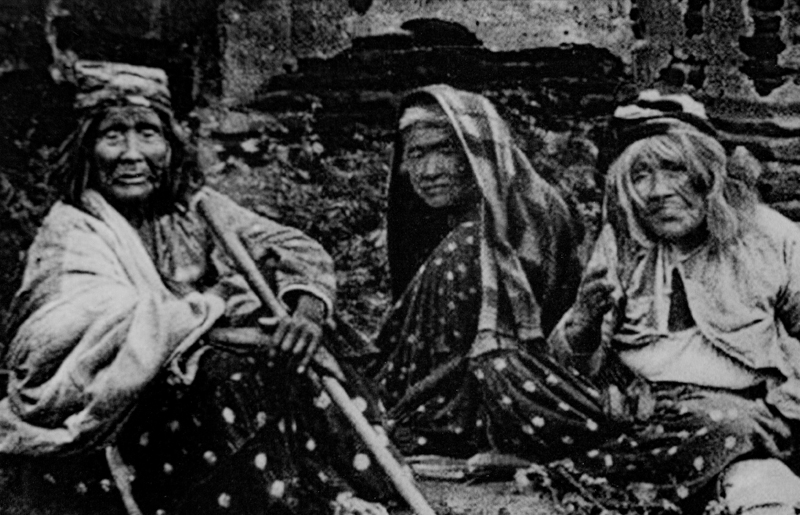
Long before Carlsbad became a city, before Spanish explorers arrived, and centuries before the railroad reached the coast, this land was home to Indigenous peoples who lived in harmony with nature. For more than 10,000 years, the rolling hills, lagoons, creeks, and coastal valleys supported thriving Native communities. The area around Agua Hedionda Lagoon, known to the Luiseño as Palmai—”place of big water”—was an important seasonal gathering place, while nearby Kumeyaay communities occupied lands to the south. Together, these cultures helped shape the earliest human history of what is now Carlsbad.
Carlsbad’s First Story Begins Thousands of Years Ago
Every community has a beginning.
Carlsbad’s story begins not with buildings or railroads, but with people whose relationship with this land stretches back more than 10,000 years.
Long before Europeans arrived, Indigenous families lived among the lagoons, canyons, oak groves, and coastal bluffs. They understood the rhythms of the seasons, harvested only what they needed, and cared for the land in ways that allowed it to flourish for countless generations.
They were the first stewards of Carlsbad.
Palmai — The Place of Big Water
To the Luiseño (Payómkawichum) people, Agua Hedionda Lagoon was known as Palmai, meaning “place of big water.”
During the cooler months, families gathered along the lagoon to fish, collect shellfish, gather edible plants, and harvest materials used for baskets, jewelry, tools, and trade.
As temperatures warmed, many families traveled inland to higher elevations where different food sources became available.
This seasonal movement reflected a deep understanding of the environment and allowed natural resources to remain healthy for future generations.
The Kumeyaay Connection
While the Luiseño traditionally occupied much of present-day northern San Diego County, the Kumeyaay lived immediately to the south, with their ancestral territory extending from present-day San Diego into Baja California.
Carlsbad sat near the meeting place of these two great cultures.
Trade routes crossed the region, families interacted, and valuable resources moved between villages. Shells from the coast, obsidian from inland mountains, food, tools, and cultural traditions were exchanged through networks that had existed for centuries.
Rather than a dividing line, the Carlsbad area served as a place of connection.
Living with the Land
Both the Luiseño and Kumeyaay viewed themselves as caretakers of the natural world.
The lagoon, nearby creeks, oak woodlands, and coastal sage scrub provided nearly everything needed for daily life.
Acorns were ground into flour.
Willow became baskets.
Elderberry became tools.
Shellfish became food and jewelry.
Medicinal plants were carefully harvested, and knowledge was passed from elders to younger generations through storytelling and lived experience.
Their understanding of ecology allowed communities to thrive for thousands of years.
A Culture of Respect
The Luiseño and Kumeyaay shared many values centered on family, respect, generosity, and responsibility.
Children learned from parents, grandparents, and tribal elders. Ceremonies celebrated important seasons and life events. Stories preserved history and reinforced the community’s relationship with the natural world.
Their cultures remind us that caring for the land also means caring for one another.
A New Chapter Begins
In 1769, the Portolá Expedition, accompanied by Father Juan Crespi, entered the region.
Their arrival marked the beginning of profound changes that would reshape Indigenous life through the mission system, new diseases, changing governments, and the loss of traditional lands.
Despite these hardships, the Luiseño and Kumeyaay peoples endured.
Today, both communities continue to preserve their languages, traditions, ceremonies, and cultural heritage while sharing their history with future generations.
Their Legacy Lives On
Every walk around Agua Hedionda Lagoon is also a walk through thousands of years of Indigenous history.
The same hills, lagoons, native plants, and wildlife that supported the first inhabitants remain part of Carlsbad’s landscape today.
Recognizing the Luiseño and Kumeyaay as the original caretakers of this land allows us to appreciate Carlsbad’s history not as beginning in the nineteenth century, but as part of a much longer human story.
If These Waters Could Talk…
If the waters of Agua Hedionda Lagoon could speak, they would remember generations of Native families gathering shellfish, children learning from tribal elders, trade canoes arriving from neighboring villages, and ceremonies celebrating the changing seasons.
Long before there was a town called Carlsbad, this was a place of life, learning, and belonging.
Cherimarie’s Reflection
“We respectfully acknowledge that the Carlsbad area is part of the ancestral homelands of the Luiseño (Payómkawichum) people and lies near the traditional territory of the Kumeyaay. We honor their enduring connection to this land, its waters, and its history.”
One of the greatest privileges of sharing Carlsbad’s history is remembering that every story has an earlier chapter.
When guests admire the beauty of Agua Hedionda Lagoon, I hope they also think about the people who first understood its rhythms and respected its resources. The Luiseño and Kumeyaay didn’t simply live here—they cared for this place in ways that sustained it for thousands of years.
Their story reminds us that the history of Carlsbad is not only about growth and development. It’s also about stewardship, gratitude, and our responsibility to preserve this remarkable landscape for those who come after us.
Storytelling Moment
Stand quietly beside Agua Hedionda Lagoon and listen. The breeze through the coastal sage, the calls of shorebirds, and the gentle movement of the water are sounds that have echoed here for millennia. Imagine families gathering shellfish along the shoreline, children learning to weave baskets from willow, and elders sharing stories beneath the stars. It’s a powerful reminder that Carlsbad’s first chapter began thousands of years before the city itself.
Continue the Story
- John Frazier & Carlsbad’s Mineral Water Discovery
- Gerhard Schutte
- Robert Kelly Family
- Samuel Church Smith
- Magee Family
- D.D. Wadsworth
- Roy G. Chase
Written by Cherimarie Poulos
Cherimarie Poulos is the founder of Carlsbad Food Tours and has proudly called Carlsbad home for more than 30 years. Passionate about the city’s history, beaches, wildlife, restaurants, and local culture, she created the Discover Carlsbad Library to help visitors and residents experience Carlsbad like a local through authentic stories, insider tips, and unforgettable experiences.
Want to discover even more of Carlsbad’s hidden gems? Join Carlsbad Food Tours and experience the city’s rich history, fascinating stories, and incredible local restaurants—one delicious bite at a time. Taste the Food. Hear the Stories. Feel Like a Local.
Story ID: HS-121
Volume: III – The Storytelling Library
Section: Indigenous Heritage & Early History
Status: Completed / Publication Ready